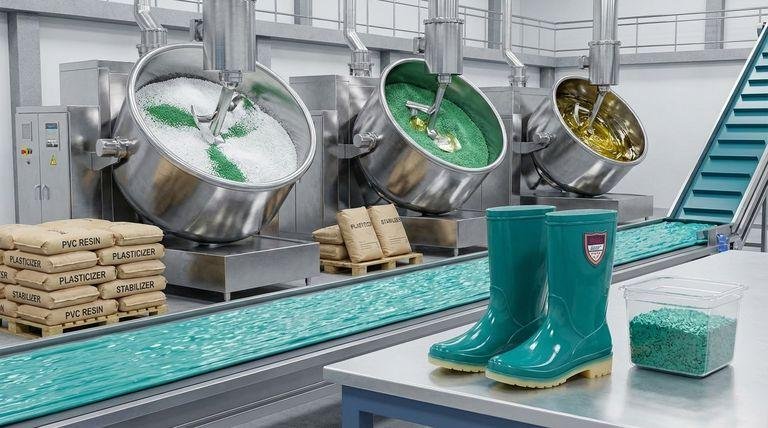
PVC rain boots are primarily made using polyvinyl chloride-based compounds formulated to provide waterproof protection and the physical properties required for the intended product.
However, not every PVC boot uses exactly the same formulation.
The material system can be adjusted according to factors such as:
Required flexibility
Product weight
Boot construction
Working environment
Color requirements
Intended market
Performance specifications
This is why B2B buyers should evaluate more than a supplier’s statement that a boot is simply “made of PVC.”
Material Formulation Affects the Finished Boot
The material formulation can influence characteristics such as flexibility, surface appearance and how the boot performs under its intended conditions.
Different applications may also have different priorities.
For example, a general waterproof boot and a work boot designed for demanding wet environments may not have identical product specifications.
The appropriate material and construction should therefore be selected according to the intended application rather than price alone.
Color Is Part of Material Preparation
For colored PVC boots, the required color must also be prepared according to the approved specification.
When an OEM project requires a specific brand color, buyers should provide a clear color reference and approve the result during sampling before bulk production.
This becomes especially important when different parts of the boot use different colors.
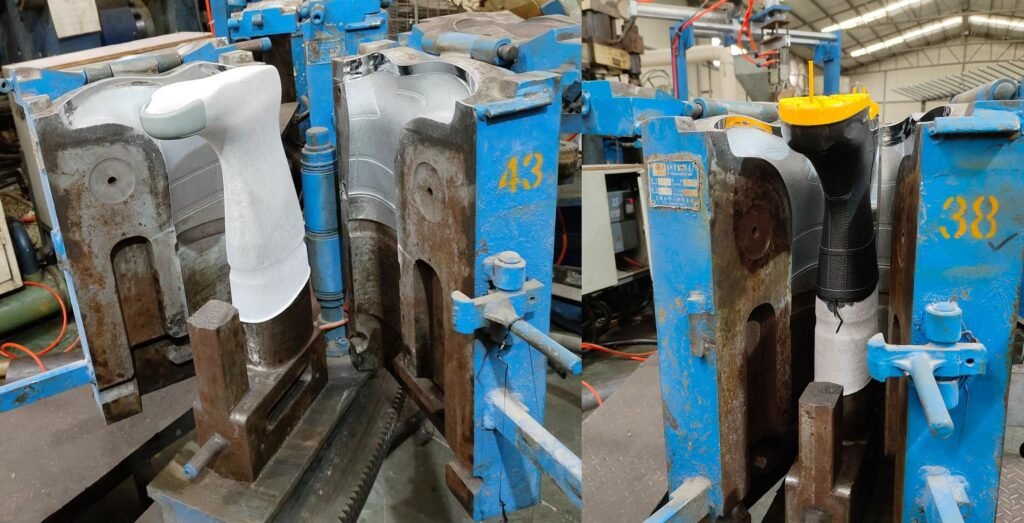
Before bulk production begins, the factory needs to prepare the appropriate molds, equipment and production specifications for the order.
The selected mold determines important elements of the boot, including its basic shape, dimensions, size range and construction.
Confirm the Correct Mold and Size
For an existing PVC rain boot model, the manufacturer selects the corresponding molds for the required size range.
Before production, the factory should confirm that the mold and product specifications match the approved order.
For OEM projects, this is particularly important when several similar boot models are produced in the same facility.
New Designs May Require New Tooling
If a buyer only changes the color, logo or packaging of an existing boot, a completely new mold may not be necessary.
However, projects involving a proprietary boot shape, new outsole pattern or significant structural changes may require additional tooling development.
This should be evaluated during product development rather than after the bulk order has been confirmed.
Production Specifications Should Be Clear
Before the production run begins, the relevant product requirements should be documented.
Depending on the project, these can include:
Boot model
Size range
Material requirements
Colors
Logo details
Outsole
Packaging
Quantity
Other agreed product specifications
Clear production references help reduce misunderstandings between the approved sample and bulk manufacturing.
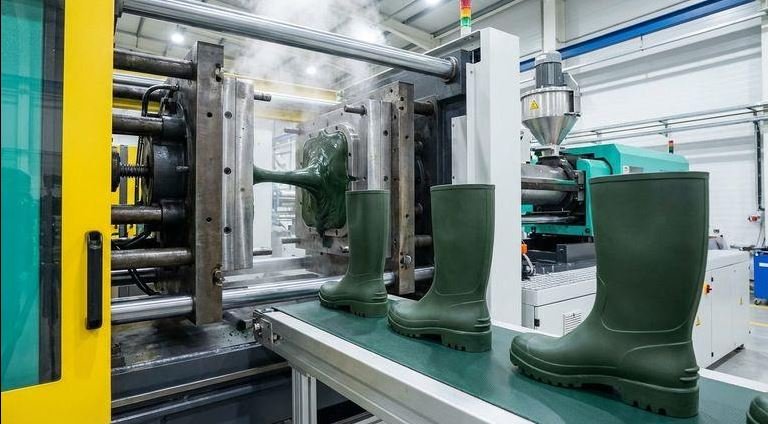
Once the materials, molds and production settings are prepared, the PVC boot can enter the molding stage.
Injection molding allows the prepared PVC material to be formed according to the selected boot mold and construction.
This stage is one of the most important parts of the manufacturing process because molding conditions can affect the appearance and consistency of the finished product.
Material Enters the Molding Process
The prepared PVC compound is processed through the molding equipment under controlled production conditions.
The material is formed within the mold to create the required boot structure.
The exact equipment and molding parameters depend on the manufacturer’s production system and the product being produced.
Production Conditions Need to Remain Consistent
For bulk orders, consistency is particularly important.
A buyer is not purchasing only one approved sample. Hundreds or thousands of pairs need to follow the agreed product specification.
Production control therefore needs to focus on maintaining consistent output throughout the manufacturing run.
Operators Also Play an Important Role
Equipment alone does not guarantee consistent production.
Experienced production personnel need to monitor the process, identify visible abnormalities and make appropriate adjustments when necessary.
For B2B buyers evaluating a PVC rain boot factory, the combination of equipment, production procedures and experienced operators is more meaningful than machinery alone.
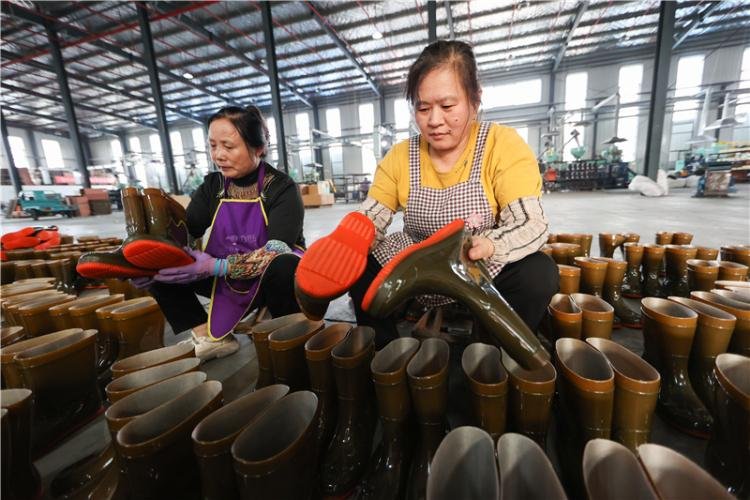
After the molding stage, the boot needs to cool sufficiently before it can proceed to the next production steps.
Once the molded product can be handled properly, it is removed from the mold and prepared for finishing.
Demolding
The molded boot is removed according to the production process used for the specific equipment and construction.
At this stage, operators can begin identifying obvious molding or appearance issues before the product moves further through production.
Trimming
Excess material created during molding may need to be removed from the finished boot.
Trimming and finishing help produce a cleaner product appearance and prepare the boot for subsequent inspection or other production steps.
Workers should pay attention to areas such as:
Mold lines
Edges
Surface appearance
Outsole area
Boot opening
Other visible finishing points
Early Inspection Reduces Downstream Problems
Quality control should not begin only after every pair has been packed.
Identifying obvious production issues during molding and finishing makes it easier to separate non-conforming products before they continue through later stages.
This is one reason in-process inspection is an important part of bulk footwear production.
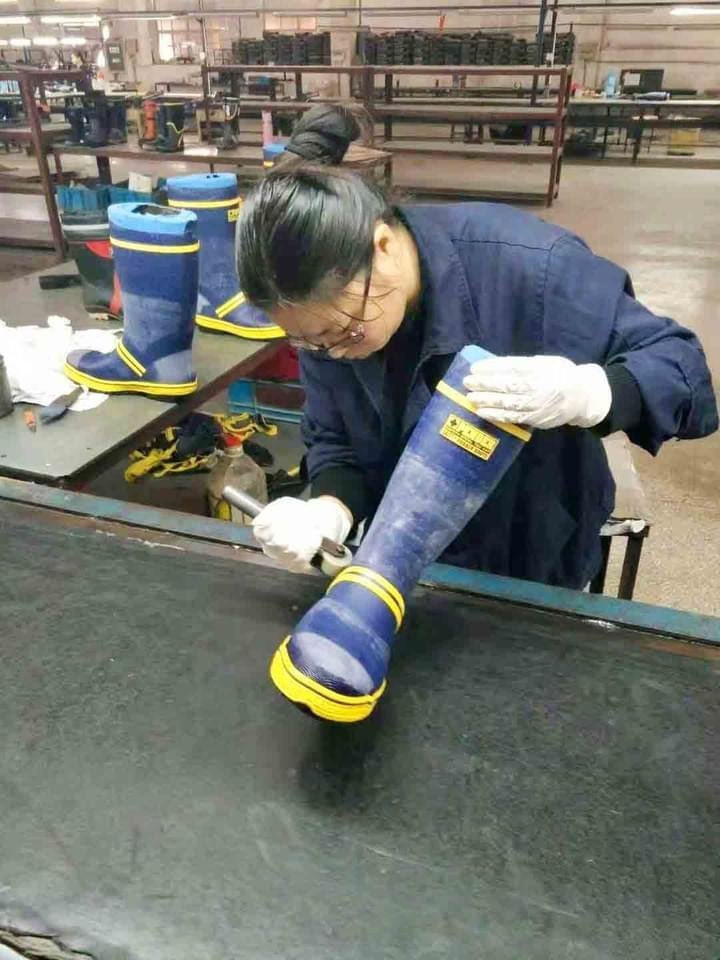
Quality control during production helps identify problems before the entire order has been completed.
The exact inspection criteria depend on the product specification, but in-process checks may focus on both appearance and construction.
Visual Appearance
Inspectors or production personnel may check for visible issues such as:
Surface defects
Inconsistent finishing
Obvious color differences
Poor trimming
Logo position or appearance
Visible molding defects
Product Consistency
Bulk production should also remain consistent with the approved product specification.
Depending on the order, this can include checking:
Correct model
Correct size
Color
Boot height or dimensions
Outsole
Branding
Other agreed construction details
Defects Should Be Identified Before Packing
Products that do not meet the agreed inspection requirements should be identified before final packing.
The objective is not simply to inspect the final carton. Quality control should be integrated into the production process so that issues can be detected as early as practical.
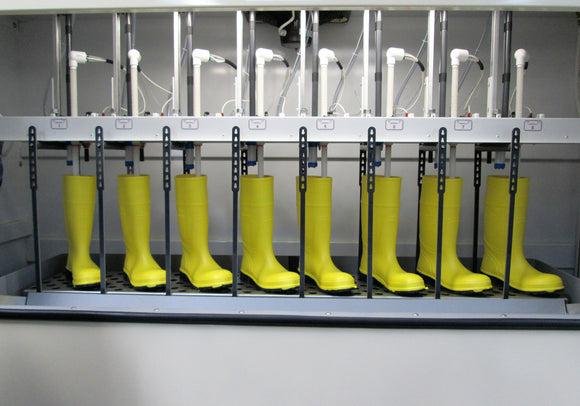
Testing requirements for PVC rain boots depend on the product design, intended application and target market.
A general-purpose waterproof boot may have different evaluation requirements from footwear intended for industrial, occupational or safety-related environments.
For this reason, buyers should define the intended use of the product before confirming the testing requirements.
Waterproof Performance
Water resistance is a fundamental requirement for PVC rain boots.
The appropriate inspection or testing method should be determined according to the boot construction and agreed product requirements.
The objective is to identify potential leakage or construction problems before the products are released for shipment.
Physical and Performance Requirements
Depending on the product and intended application, additional evaluations may relate to areas such as:
Outsole performance
Flexibility
Product dimensions
Material properties
Construction consistency
Protective features
Other agreed performance requirements
Not every PVC boot requires the same tests.
Buyers should avoid assuming that a test required for one market or application automatically applies to every rain boot project.
Safety Boots Require Additional Attention
If a PVC boot includes features such as a protective toe or is marketed for occupational safety use, additional performance and compliance requirements may apply.
These requirements should be identified during product development, not after bulk production has already started.
For a broader overview of how product requirements can influence materials, protective features and testing, see our guide to rain boot safety standards for OEM manufacturing.
Confirm Requirements Before Production
Before placing an OEM order, buyers should tell the manufacturer:
Intended application
Destination market
Product claims
Required protective features
Applicable testing requirements, if already known
If third-party testing or specific documentation is required, this should also be discussed before the order is confirmed.
Testing should verify an agreed product specification rather than being treated as a generic certificate that applies to every PVC rain boot.
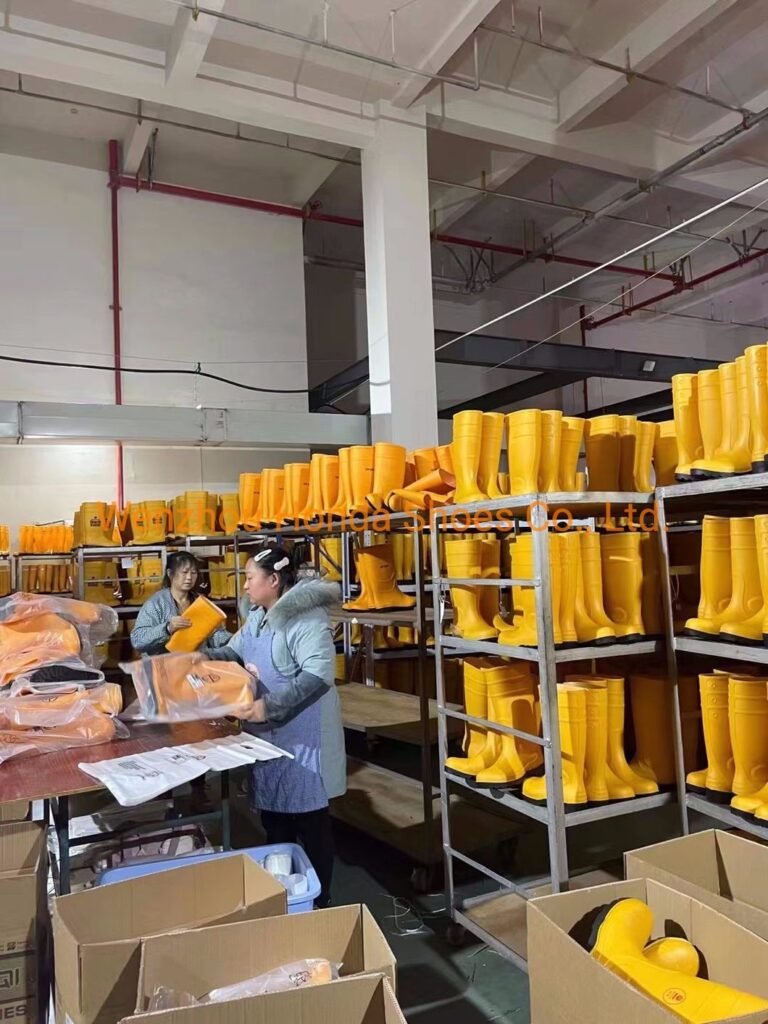
After production and finishing are completed, the order should be checked against the approved product and order specifications before final packing and shipment.
The exact inspection plan can vary according to the product, buyer requirements and agreed quality procedures.
Product Appearance
The finished boots can be checked for visible issues involving areas such as:
Surface appearance
Color consistency
Trimming and finishing
Logo and branding
Outsole appearance
General workmanship
The objective is to identify products that do not meet the agreed appearance requirements.
Size and Pair Matching
The correct size should be clearly identified, and left and right boots should be properly matched.
For orders containing multiple sizes, the final quantity should also follow the confirmed size breakdown.
Customization Details
For OEM orders, inspectors should confirm that the finished product follows the approved customization requirements.
This may include:
Logo
Logo position
Color
Labels
Hangtags
Size markings
Other private-label details
Packaging Requirements
Before the order is released for shipment, packaging should also be checked against the approved requirements.
Depending on the project, this can include:
Individual packaging
Retail boxes
Labels
Barcodes
Carton markings
Quantity per carton
Size assortment
Final inspection provides an opportunity to identify discrepancies before the goods enter the shipping process.
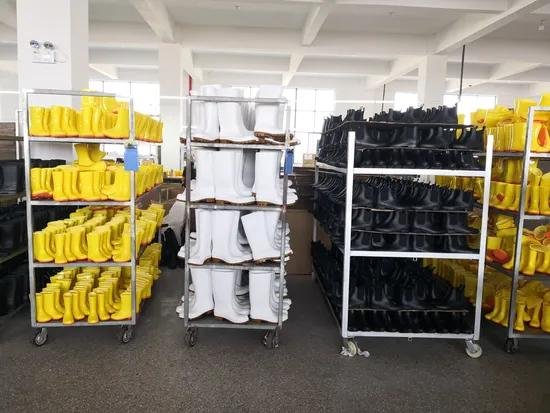
Once the finished products have passed the required inspection, the order can move to packing and shipment preparation.
Packaging should protect the product during transportation while also following the buyer’s labeling and distribution requirements.
Individual Product Packaging
Depending on the project, individual boots may be packed using:
Polybags
Retail boxes
Labels
Hangtags
Other approved packaging materials
Private-label orders should follow the artwork and packaging specifications confirmed before production.
Export Cartons
The packed products are then arranged into export cartons according to the confirmed quantity and size assortment.
Carton information may include:
Product reference
Size
Quantity
Carton number
Shipping marks
Other buyer-required information
Accurate carton identification is particularly important for orders containing multiple models, colors or sizes.
Preparing the Order for Shipment
After packing, the factory should confirm the final quantities and prepare the order for the agreed shipping arrangement.
For international B2B orders, buyers and suppliers should also coordinate the required shipping information and export documentation according to the agreed commercial terms.
A well-managed production process does not end when the boots leave the molding machine. Packing accuracy and shipment preparation are also part of delivering the correct bulk order.