In B2B footwear sourcing, “custom rain boots” can describe several different levels of product development.
Understanding these levels helps buyers choose a practical development route before discussing molds, samples or bulk production.
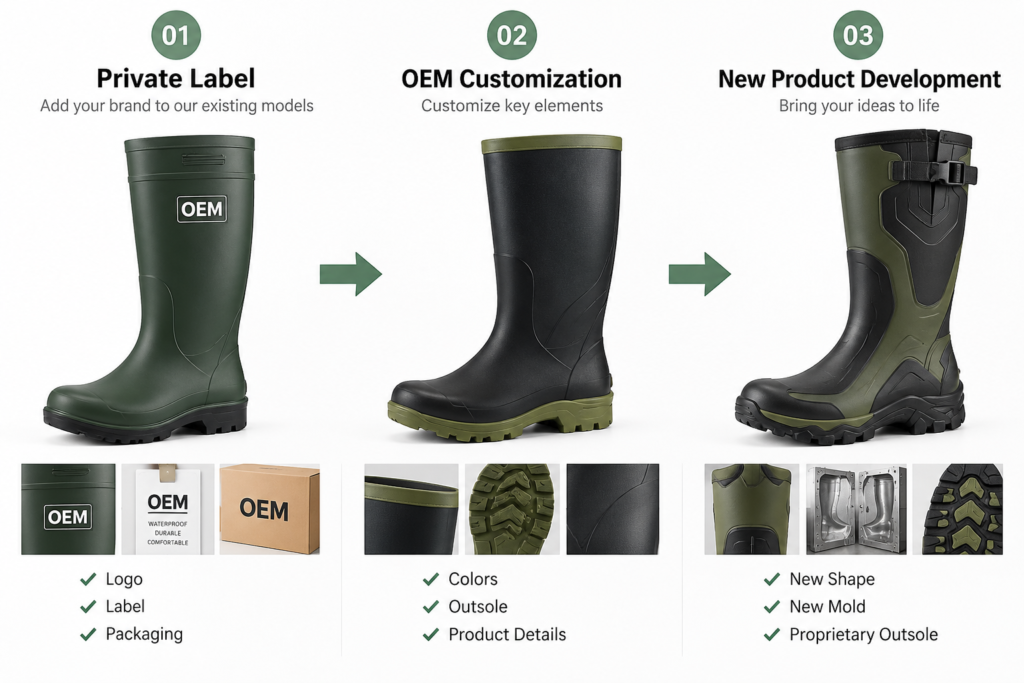
Level 1: Private Label
Private-label projects usually begin with an existing rain boot construction and add brand-specific elements.
Depending on the product, these may include:
Logo
Brand colors
Product labels
Hangtags
Size markings
Retail packaging
Export carton markings
This approach can be suitable for importers, distributors and brands that want to launch rain boots under their own name without developing an entirely new product.
Level 2: OEM Customization
OEM customization can go beyond branding.
Depending on the selected boot and manufacturing process, buyers may evaluate changes involving:
Boot colors
Outsole colors
Logo method and position
Outsole options
Lining or other product details
Packaging
Selected functional features
This level allows buyers to create greater product differentiation while still using an existing construction as the starting point.
Level 3: New Product Development
More advanced custom rain boot projects may involve significant structural changes or proprietary components.
Examples can include:
A new boot shape
Proprietary outsole design
New dimensions
Structural changes
New molds or tooling
Application-specific product development
These projects generally require more technical evaluation than changing a logo or color.
The right customization level depends on the target market, expected order volume, budget, product positioning and how much differentiation the buyer actually needs.
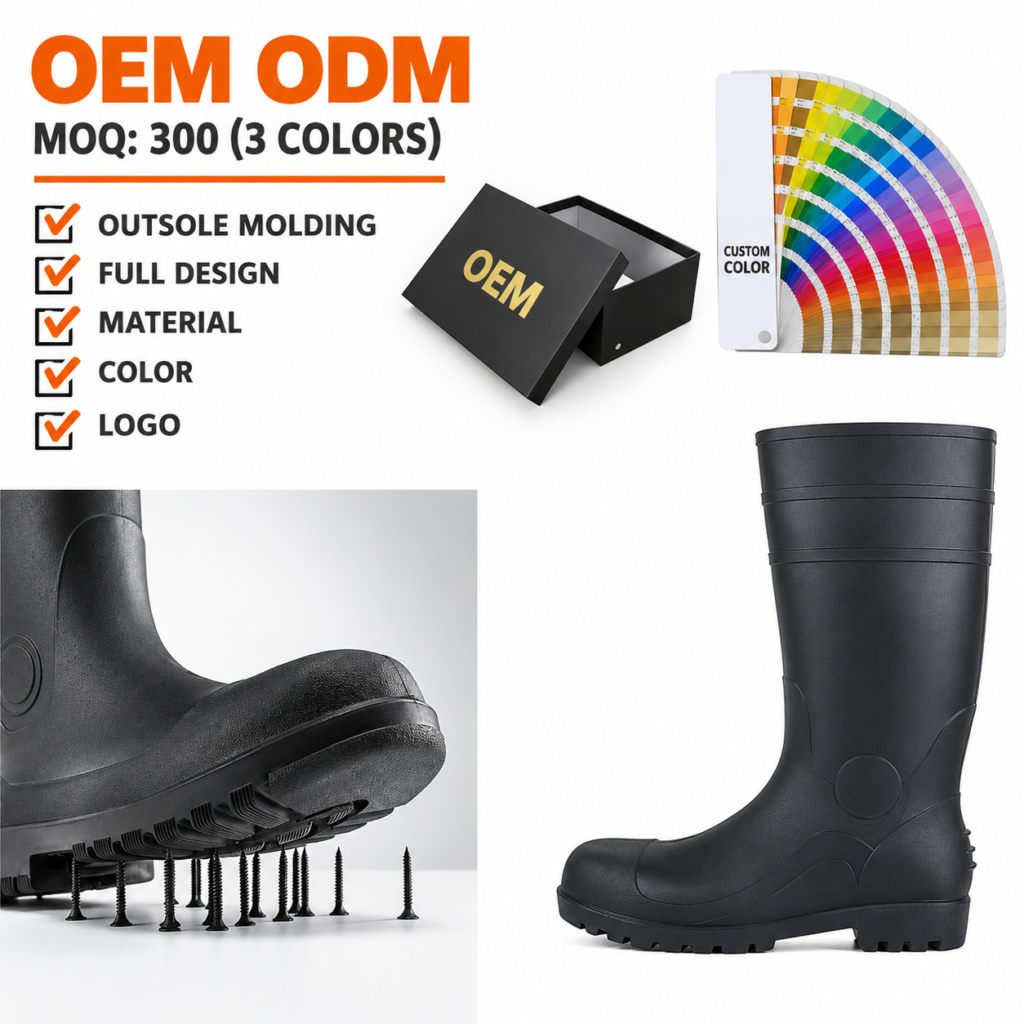
One of the first decisions in a custom rain boot project is whether to start with an existing product or develop a new construction.
More customization is not always better.
Starting With an Existing Boot
An existing boot can be a practical starting point when the basic construction already matches the buyer’s application.
The project can then focus on the elements that create commercial value, such as:
Brand colors
Logo
Labels
Packaging
Available outsole options
Other feasible product details
This approach can be particularly useful for a buyer launching a new product line or testing demand in a market.
Developing a New Design
New development becomes more relevant when existing products cannot meet important requirements.
For example, a buyer may require:
A distinctive boot shape
Proprietary outsole
Unique dimensions
Structural changes
Specific functional requirements
In these situations, the manufacturer needs to evaluate the design, construction, tooling and production feasibility before the project moves forward.
Customize What Creates Value
Buyers should identify which features actually differentiate the product in their market.
If an existing construction already meets the required application, developing a completely new boot may add unnecessary complexity.
On the other hand, brands with a strong proprietary product concept may have good reasons to invest in more extensive development.
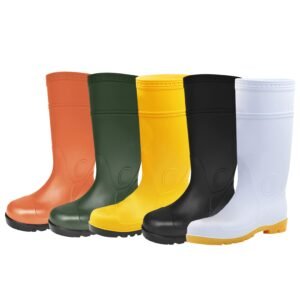
Color is one of the most common ways to differentiate custom rain boots for a brand or market.
Depending on the boot construction, customization may involve the main boot color, outsole color or other visible components.
Use a Clear Color Reference
For OEM projects, buyers should provide a clear color reference whenever a specific brand color is required.
A Pantone reference can provide a useful starting point for color communication, but the actual product should still be reviewed during sampling.
Screen displays, digital artwork and physical materials do not always reproduce color in exactly the same way.
Consider the Number of Colors
A single-color order and an order divided across several colors may have different production implications.
For example, a buyer planning one total quantity across three colors should confirm whether minimum quantities apply to the total order, individual colors or specific production configurations.
Color separation is one of several factors that can affect production quantities. Buyers sourcing PVC products can read our guide to PVC rain boots MOQ and minimum order quantities for a more detailed explanation.
Approve Colors Before Bulk Production
The approved sample or agreed physical color reference should be incorporated into the final product specification before bulk production.
Buyers should also confirm the color requirements for different components rather than assuming that “blue,” “green” or another general color description is sufficiently precise.
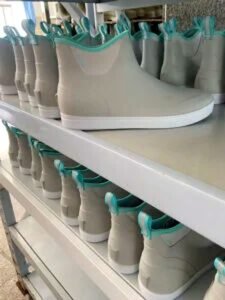
Branding is often the most visible part of a private-label rain boot project.
However, “adding a logo” can involve different production methods depending on the boot material, construction, artwork and required appearance.
Printed Logos
Printed branding can be suitable for certain rain boot constructions and designs.
Before production, buyers should confirm:
Logo artwork
Dimensions
Position
Colors
Printing method
Suitable application area
Buyers looking for custom printed rain boots should provide vector artwork whenever possible so the manufacturer can evaluate the design accurately.
Molded or Embossed Branding
Some products may support branding incorporated into a molded component or product surface.
This can create a different appearance from printed artwork but may require tooling or a construction that supports the selected branding method.
The feasibility should therefore be confirmed for the specific boot.
Labels, Hangtags and Other Branding
A private-label program does not need to rely on the boot logo alone.
Branding can also extend to:
Product labels
Size labels
Hangtags
Barcodes
Packaging
Carton markings
Product inserts
These elements help create a consistent private-label product for the buyer’s distribution or retail channel.
Approve Branding on the Physical Sample
A logo that looks correct in an artwork file may appear different when applied to the actual footwear.
Buyers should therefore review the branding method, size, position and color on a physical sample before approving bulk production.
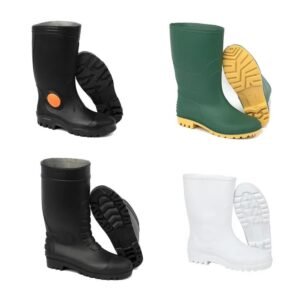
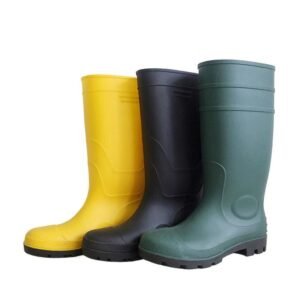
A custom rain boot project should not begin with the assumption that every product needs the same material or construction.
The appropriate choice depends on the intended application, target market, product positioning and required performance.
PVC Rain Boots
PVC construction can be a practical option for many work, agricultural, fishing and general waterproof footwear programs.
Depending on the existing product, buyers may be able to customize colors, branding, packaging, outsoles and other feasible details.
Buyers specifically developing a PVC project can review our guide to custom PVC rain boots and OEM options for a more detailed look at PVC customization.
Rubber Rain Boots
Rubber constructions can also be used for work, outdoor, agricultural and lifestyle rain footwear.
Their product development and manufacturing process can differ from PVC footwear, so buyers should evaluate the actual construction rather than assuming the same customization process applies to both materials.
Choose the Construction According to the Market
Instead of asking which material is universally “best,” buyers should consider:
Intended application
Target customer
Product positioning
Required flexibility
Weight
Outsole
Protective features
Order volume
Customization requirements
Target price range
These factors provide a better basis for product selection than material reputation alone.
Buyers still comparing the two material categories can also see our PVC vs rubber rain boots comparison for B2B buyers.
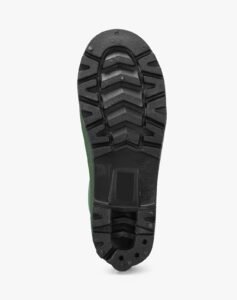
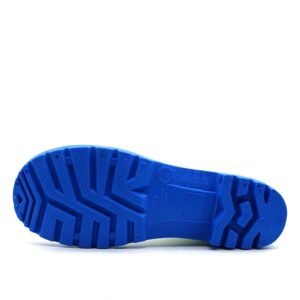
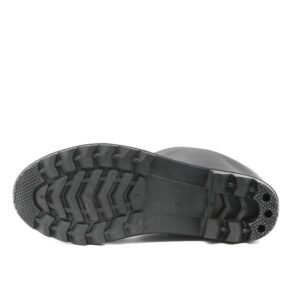
The outsole influences both the appearance and application of a rain boot, making it an important consideration for OEM development.
Existing Outsole Options
If an existing outsole already matches the intended application, buyers may be able to use that construction while customizing other elements of the product.
This can be more practical than developing a proprietary outsole for every new program.
Outsole Color
Depending on the product, the outsole color may be another way to differentiate the boot.
Buyers should include the required outsole color in the approved product specification rather than treating it as a secondary detail.
Tread and Application
Different working environments can require different outsole characteristics.
A boot intended for muddy agricultural work, for example, may have different tread priorities from footwear intended for wet industrial surfaces.
Buyers should explain the actual application so the manufacturer can evaluate appropriate existing options.
Proprietary Outsole Development
A brand may choose to develop a proprietary outsole when the tread, branding or overall product design needs to be unique.
This can require new tooling and additional product development.
Buyers should therefore evaluate whether a proprietary outsole creates enough commercial or functional value to justify the additional development.
Appearance Is Not a Performance Claim
An aggressive tread pattern does not by itself prove a specific level of slip resistance or other performance.
If the finished product requires a defined safety or performance claim, the relevant requirements should be confirmed separately.
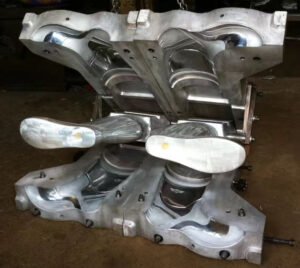
Not every custom rain boot project requires a new mold.
This is an important distinction because buyers sometimes assume that a custom product must be developed entirely from the beginning.
Customization That May Use an Existing Construction
Depending on the product and manufacturing process, an existing construction may support changes such as:
Color
Printed logo
Labels
Hangtags
Packaging
Existing outsole options
Other feasible branding details
In these cases, the buyer can create a private-label product without necessarily developing a new boot shape.
When New Tooling May Be Required
New molds or tooling may need to be evaluated when the project involves:
A proprietary boot shape
A new outsole
Unique dimensions
Significant structural changes
Molded proprietary design elements
Other construction changes that cannot use existing tooling
Questions to Confirm Before Developing a New Mold
Buyers should discuss:
Which components require new tooling?
Which sizes need molds?
What can use existing tooling?
What is the development process?
How will samples be approved?
What order volume is expected?
How will the tooling be used for future repeat orders?
A new mold should solve a genuine product or market requirement rather than being treated as a default part of customization.
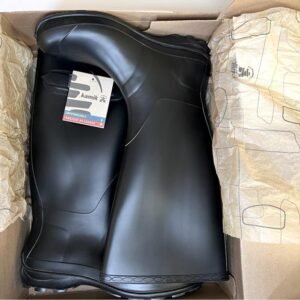
Packaging is an important part of a custom rain boot project, especially for brands, importers and distributors building their own product lines.
A successful private-label program is not only about the boot itself. Packaging, labeling and product presentation also influence how the finished product is introduced to the market.
Common Private Label Packaging Options
Depending on the sales channel and product requirements, private-label packaging may include:
Printed retail boxes
Polybags
Hangtags
Brand labels
Size labels
Barcode stickers
Product inserts
Export carton markings
These elements help create a consistent product identity throughout the distribution process.
Match Packaging to the Sales Channel
Different markets may require different packaging approaches.
For example, a distributor supplying industrial users may prioritize practical carton packaging and clear product identification.
A retail brand may require more detailed packaging, including branded boxes, labels and product information.
Before developing packaging, buyers should consider:
Where the product will be sold
How customers will receive the product
Storage requirements
Distribution channels
Applicable labeling requirements
Custom Packaging May Have Separate Requirements
Custom packaging can have its own production requirements.
Buyers should confirm:
Artwork requirements
Minimum production quantities
Printing specifications
Packaging materials
Production timing
For some initial product programs, standard packaging combined with selected private-label elements may be more practical than customizing every packaging component.
Approve Packaging Before Bulk Production
Final packaging details should be confirmed as part of the approved product specification.
Important details may include:
Brand name
Product model
Size information
Barcode
Carton markings
Label position
Packaging artwork
Clear packaging approval helps reduce mistakes during bulk production and shipment preparation.
Sampling is an important stage in custom rain boot development because it allows buyers and manufacturers to confirm product details before bulk production begins.
A successful OEM project requires more than approving a design idea. The physical sample should represent the agreed product requirements.
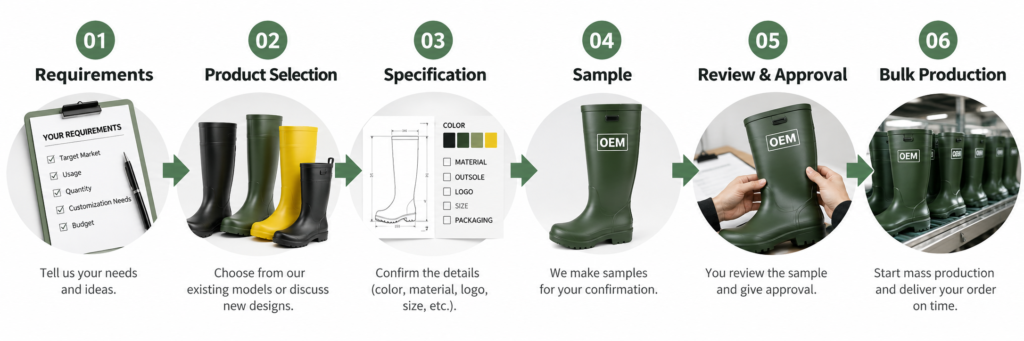
Step 1: Define Product Requirements
Before sampling begins, buyers should provide available information about:
Intended application
Target market
Boot style
Material preference
Size range
Colors
Logo requirements
Packaging requirements
Estimated order quantity
The clearer the initial information, the easier it is for the manufacturer to evaluate a suitable solution.
Step 2: Select the Product Development Route
The manufacturer evaluates whether:
An existing boot can meet the requirements
Existing components can be customized
New development is necessary
This helps establish the complexity of the project before additional development begins.
Step 3: Confirm the Product Specification
The agreed requirements should be documented before or during sample development.
Depending on the project, these may include:
Construction
Material
Colors
Logo
Outsole
Sizes
Labels
Packaging
Step 4: Review the Physical Sample
The sample should be checked for relevant details such as:
Overall appearance
Product construction
Size and fit
Color
Logo placement
Outsole
Labels
Packaging details
A digital image or artwork file cannot always represent the final physical product accurately.
Step 5: Approve or Revise
If changes are required, they should be clearly documented and reviewed before final approval.
The approved sample and final specification then provide the reference for bulk production.
Step 6: Move Into Bulk Production
Once the sample and specifications are approved, production can proceed according to the confirmed requirements.
A clear approval process reduces misunderstandings and helps maintain consistency between product development and the final bulk order.